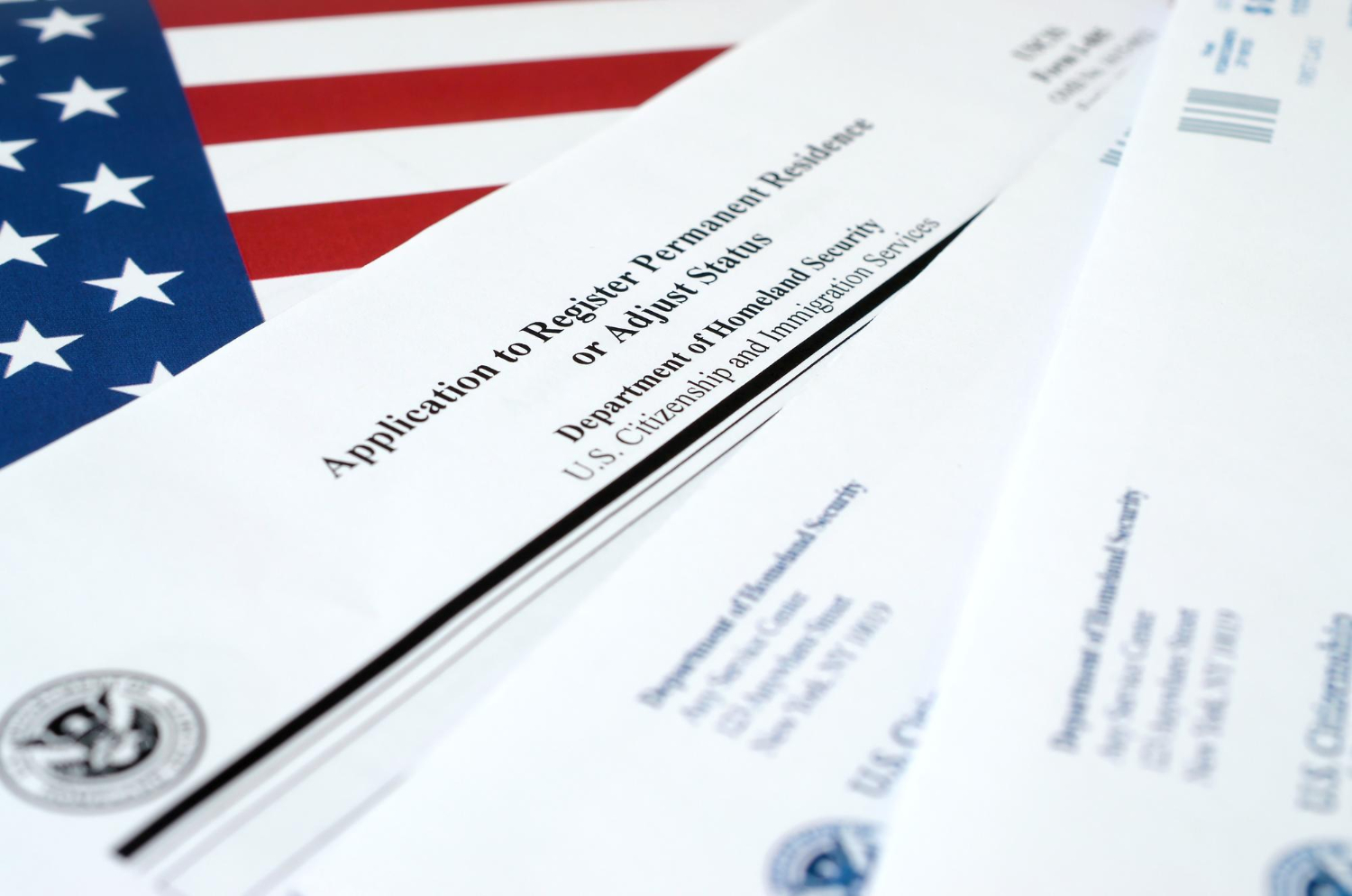
There are two distinct and critically important EB-5 deadlines investors must understand — and they are not the same date. September 30, 2026 is when the RIA’s grandfathering protection expires: investors who file an I-526E by that date are protected, meaning USCIS must continue processing their petitions even if the program later lapses. September 30, 2027 is when the Reform and Integrity Act‘s authorization of the Regional Center Program itself — and the reserved set-aside categories — actually expires. Conflating these two dates can lead to serious miscalculations. This post covers both deadlines, how priority dates interact with the RIA’s reserved category set-asides, and what grandfathering means in practical terms for investors at different stages of the process.
What the RIA Changed for EB-5 Investors
The EB-5 Reform and Integrity Act, enacted March 15, 2022 as part of the Consolidated Appropriations Act, restructured the program in several important ways. Most relevant here: Congress created three reserved visa categories — Rural TEA (20% of annual EB-5 visas), High Unemployment TEA (10%), and Infrastructure (2%) — funded by a 32% carve-out from the total annual allocation of approximately 10,000 visas.
Congress authorized these reserved categories — along with the Regional Center Program itself — for a five-year period running through September 30, 2027, the end of fiscal year 2027. Unless Congress acts to reauthorize or make the set-asides permanent, the reserved categories as currently structured will sunset on that date.
What Happens When the Reserved Categories Sunset
If no reauthorization passes by September 30, 2027, the three reserved visa set-asides — Rural, High Unemployment, and Infrastructure — will cease to operate as distinct categories. All EB-5 visas would revert to the general (unreserved) pool, eliminating the separate queues and priority processing advantages that rural and high-unemployment TEA projects currently provide.
The financial impact is immediate as well. Investors in TEA-designated projects currently qualify for the $800,000 minimum investment. Without the reserved categories, the applicable threshold reverts to the standard $1,050,000 — a $250,000 increase.
For investors from oversubscribed countries, particularly mainland China and India, this matters most. Reserved categories carry separate, shorter queues than the unreserved category. A reversion to a single pool would return those investors to the general backlog, potentially adding years to their wait.
As of the date of this post, Congressional reauthorization has not been confirmed. Investors should not assume the set-asides will be extended.
RIA Grandfathering: Who Is Protected and How
The RIA includes grandfathering language that protects investors already in the program from certain rule changes — including a potential lapse or restructuring of the program. The critical question is what qualifies a petition for grandfathering protection relative to the September 30, 2026 filing deadline.
Under the RIA’s framework, an investor who files a qualifying I-526E petition and establishes a priority date in a reserved category before September 30, 2026 receives a critical protection: USCIS must continue processing that petition even if the Regional Center Program later lapses or the reserved categories are restructured after the program’s September 30, 2027 expiration. The grandfathering protection travels with the priority date established by the I-526E filing — not with the project structure or the regional center’s I-956F approval alone.
To be clear: September 30, 2026 protects your filing. It does not eliminate the reserved categories on that date — those remain authorized through September 30, 2027. What it means is that investors who file by September 30, 2026 are insulated from any subsequent program lapse or restructuring, while investors who file after that date lose that processing guarantee.
The operative action for investors is filing the I-526E and receiving a receipt notice that establishes a priority date before September 30, 2026. A pending I-956F on the project side, or a subscription agreement signed before the deadline, does not by itself lock in grandfathering protection for an investor who has not yet filed.
Investors who have already filed I-526E petitions in a reserved category and received a priority date are, under current USCIS policy, already grandfathered. Their processing should not be disrupted by any future lapse or sunset of the program, though this should be confirmed with qualified immigration counsel as regulatory guidance evolves.
The I-526E Filing Cutoff: Practical Timeline for Investors
For investors who want to secure grandfathering protection, the actionable deadline is not September 30, 2026 itself — it is the date by which all steps required to file an I-526E can realistically be completed before September 30. That includes:
- Selecting a project with an approved I-956F in a qualifying TEA category
- Retaining an attorney and mapping out your filing strategy
- Completing source-of-funds documentation and investor diligence
- Wiring investment funds to the NCE escrow account
- Executing subscription agreements and completing PPM review
- Working with immigration counsel to prepare and file the I-526E petition
Depending on country of origin, source-of-funds complexity, and the pace of immigration counsel, this process can take four to twelve weeks or longer. Investors targeting a pre-September 30, 2026 filing should be initiating the process now, not in August.
Could Congressional Reauthorization Extend the Deadline?
Congress has shown periodic willingness to extend or modify the EB-5 program, as it did when it passed the RIA itself. A reauthorization before September 30, 2027 could extend the reserved categories as-is, modify the allocation percentages, or fold them into a permanent statutory structure. Any of those outcomes would change the analysis for investors still in the pipeline.
However, even if reauthorization extends the program beyond 2027, the grandfathering protection deadline of September 30, 2026 is a separate provision — missing that date means losing the guarantee that USCIS must continue processing your petition if the program lapses. Planning around a potential reauthorization that has not yet passed is not a sound strategy. Investors who treat the 2026 filing deadline as real and file before it are not harmed if Congress extends the program. Investors who wait for legislative clarity and miss the deadline may lose filing protections they cannot recover.
Key Takeaways: The Two Critical EB-5 Deadlines
- September 30, 2026 — Grandfathering Protection Deadline: Investors who file an I-526E and establish a priority date by this date are protected — USCIS must continue processing their petitions even if the program later lapses. After this date, that filing protection is gone. This is NOT when the reserved categories sunset.
- September 30, 2027 — Program Authorization Expiration: This is when the EB-5 Regional Center Program authorization — and the reserved set-aside categories (Rural, High Unemployment, Infrastructure) — actually expires if Congress does not reauthorize. Without reauthorization, the reserved categories sunset at the end of FY 2027.
- Grandfathering protection is tied to filing an I-526E and establishing a priority date before September 30, 2026 — not to signing subscription documents or a project’s I-956F approval date.
- Investors from high-backlog countries (mainland China, India) face the greatest risk from a sunset of reserved categories in 2027, as they benefit most from the reserved category’s separate queue.
- Given the time required to complete source-of-funds documentation, fund escrow, and prepare an I-526E filing, investors targeting a pre-September 30, 2026 grandfathering deadline should begin the process immediately.
- Congressional reauthorization of the program beyond 2027 remains possible but is not confirmed. Do not plan around it as a given.
Rural EB-5 Projects Available Before the 2026 Filing Cutoff
EB-5 Coast to Coast currently sponsors three rural TEA projects that qualify for reserved category access and priority processing: All Points North Lodge Phase II (behavioral health, Colorado), Copper Valley (master-planned community, Northern California), and Fidium Phase III (rural fiber broadband, Northern New England). Investors interested in securing grandfathering protection by filing before the September 30, 2026 deadline should act promptly given the time required to complete diligence, fund escrow, and prepare an I-526E. Schedule a consultation with our team to get started.
Disclaimer: This update is provided for informational purposes only and does not constitute legal or investment advice. Visa availability is subject to change, and individual circumstances may vary. Prospective investors should consult with qualified immigration counsel and review all offering documents before making any investment decision.